The Night Delhi Found Its Soul: Thousands Surrender to the Divine at Via Veda’s Landmark Maha Shivratri Bhajan
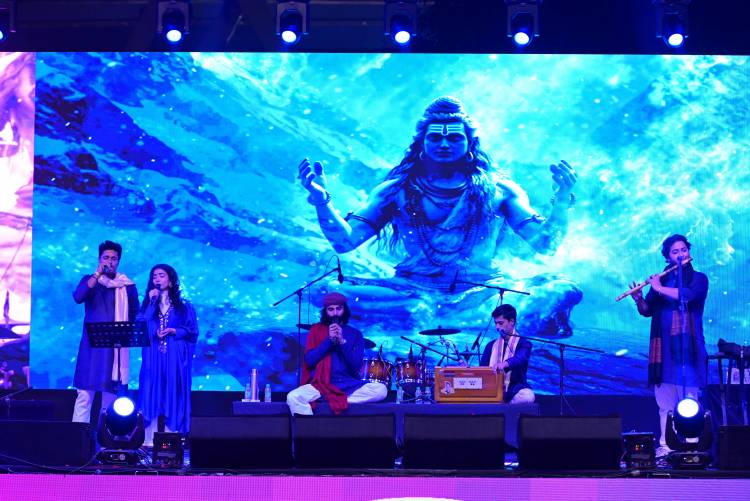
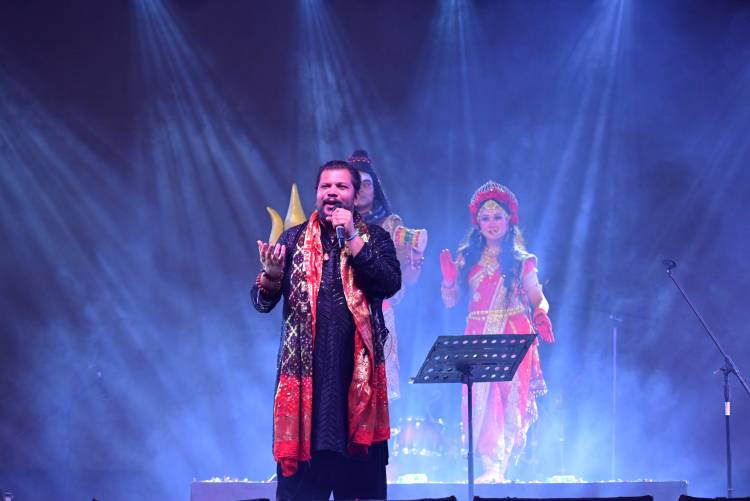
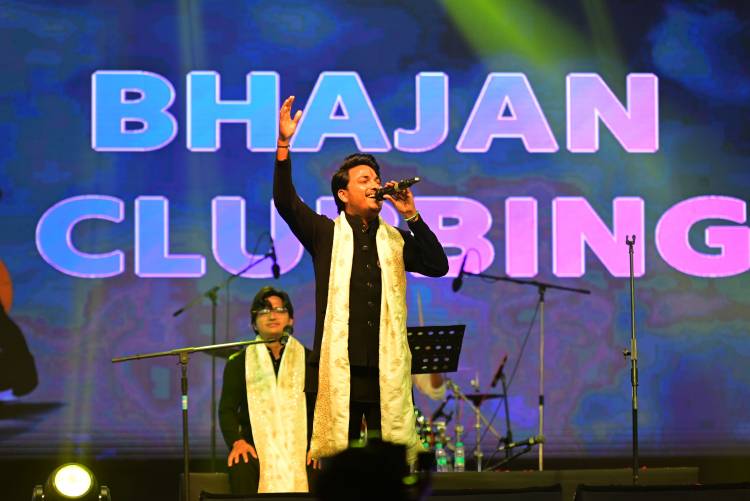
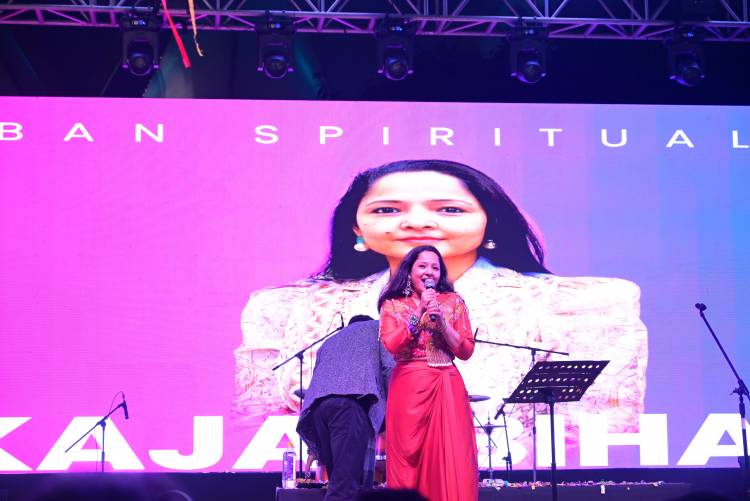
The heavy thump of a bass drum merging with the ancient toll of a temple bell, vibrating through the soles of your feet until your heart has no choice but to beat in time. The grounds of JLN Stadium, New Delhi witnessed a transformation, becoming a sacred space for the Biggest Maha Shivratri Bhajan Jamming Night. This was a moment where the ancient soul of India met the future, creating a spiritual storm that swept through the heart of every person present.
The Great Night of Shiva and Parvati stopped being a story in a book and became a living, breathing roar in the throat of ten thousand people. The urban spiritual platform Via Veda promised a revolution, and they delivered a night that pulled together college students in denim and elders in traditional linen, all drawn by a magnetic pull toward something larger than themselves. When the first flame of the Ganga Aarti sliced through the twilight at 6 PM, the crowd ceased to be a group of strangers and became a unified tribe, ready for a spiritual journey that bridged centuries in a single heartbeat.
The music was a force that pulled every ounce of presence from the crowd. Suhas Sawant took the stage with a deep passion that moved the entire stadium, his voice carrying the raw weight of the mountains during a rendition of “Jai Mahakaal” that reached toward the very stars. Then came Gajendra Pratap Singh, and the energy reached a beautiful high as he led the field through anthems like “Kailash Mein Niwasi” and “Dulha Bane Hai Baba.” The stadium turned into a sea of swaying hands and closed eyes, a celebration of faith where the lights danced to the collective, midnight-style chant of “Om Namah Shivaya.” This was Bhajan Clubbing in its purest form, where the distance between the stage and the audience fell away, leaving only a unified wave of devotion under the open sky. Every person who stepped into that arena left carrying a physical piece of the sacred, a reminder that heritage remains our greatest strength even in a digital age.
Attendees were gifted Vibhuti from the Kashi Vishwanath Temple and 5 Mukhi Siddh Rudraksha from the Pashupatinath Temple, creating a real connection to the most powerful shrines of the world. Via Veda ensured the spirit of the night followed everyone home, providing Prasad boxes and a Rs 100 wallet balance for astrology consultations on the Via Veda app and web platforms. It was a bridge built of both tradition and technology, connecting ancient destiny with modern life for everyone aged 10 and above.
At the center of this whirlwind stood Kajal Bihani, the Founder of Via Veda, who watched her vision of a spiritual awakening manifest in the glow of ten thousand phone screens. She saw a generation leading a fierce charge back to their roots, proving that faith is a fire that never truly goes out. Exhausted but glowing with pride, she shared her gratitude: “To every soul who stood with us under the stars, thank you. You were the heart of the night. Watching thousands of you find yourselves in the chant, I realised this was a moment where our collective energy became a bridge to the divine. My heart is full seeing how beautifully our ancient roots can beat alongside our modern lives. This is the future I have always imagined, where we walk our spiritual paths together, side by side, into the light.”
As the final midnight chants faded into the darkness, a heavy, beautiful stillness remained. It was the birth of something new. For those few hours, the city held its heritage close. Delhi found a way to honour the Mahadev that felt true to every person who stood in that crowd. The Great Night of Shiva and Parvati felt real and personal.